
Dishonor of cheque
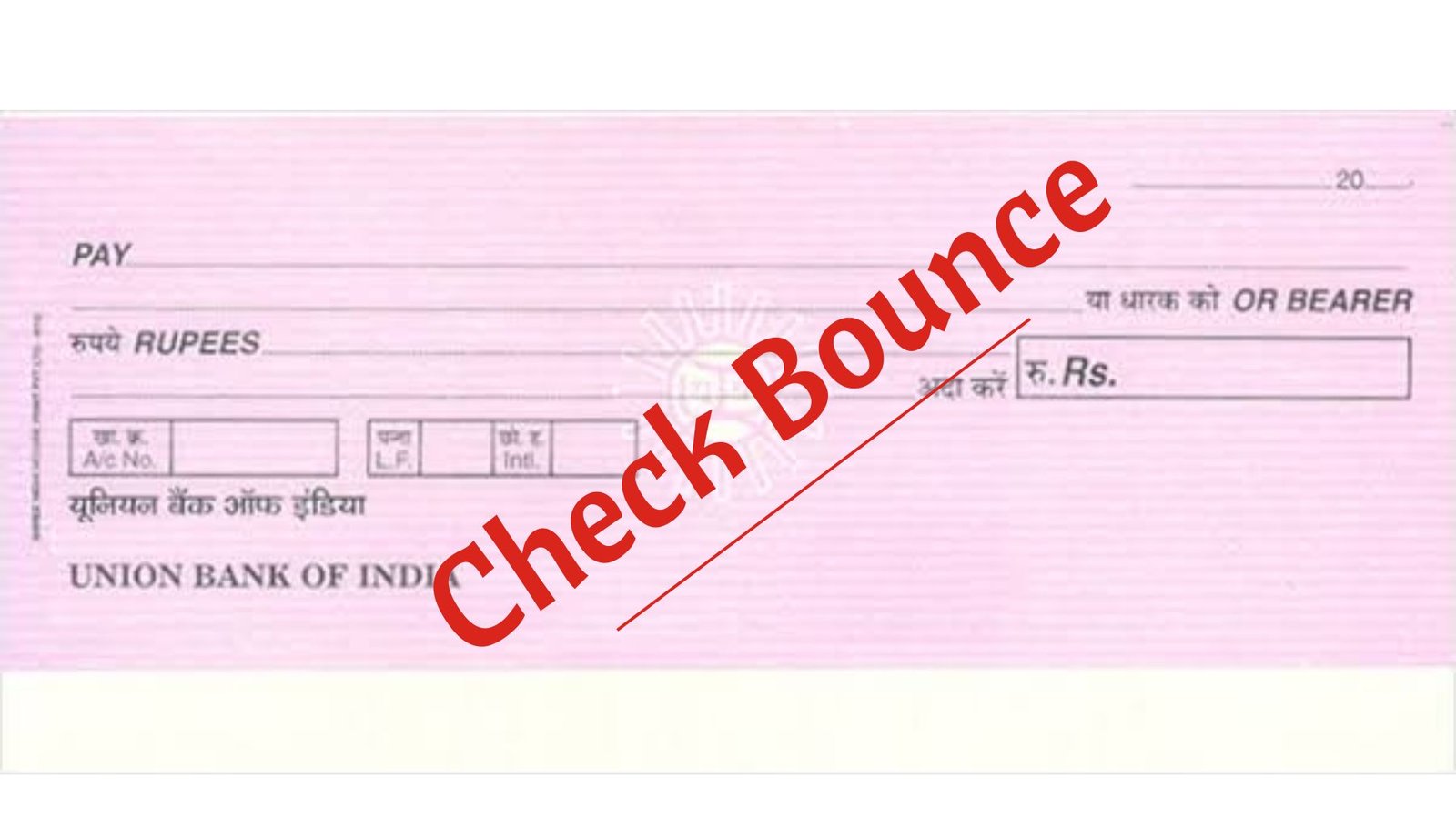
Dishonor of Cheque: Legal Remedies and How It Works
In commercial and personal transactions, cheques are widely used as a trusted mode of payment. However, when a cheque bounces or is dishonored by the bank, it can lead to serious legal consequences for the issuer and financial loss for the recipient. Dishonor of cheque is not just a banking issue — it is a criminal offense under Indian law. Understanding your rights and the legal process is essential to protect your interests effectively.
What Is Dishonor of a Cheque?
A dishonored cheque is a cheque that the bank refuses to honor due to insufficient funds in the issuer’s account, a mismatch in signature, expired validity, or other technical irregularities.
When a cheque is returned unpaid, it is legally termed as “dishonor of cheque”. Under the Negotiable Instruments Act, 1881, dishonoring a cheque can attract criminal liability if certain conditions are met.
Legal Framework: Section 138 of the Negotiable Instruments Act
The primary law governing dishonor of cheques in India is Section 138 of the Negotiable Instruments Act, 1881. It provides a statutory remedy for payees (the person or entity receiving the cheque) when a cheque is dishonored by the bank.
Key Legal Requirements under Section 138:
The cheque must be drawn for the discharge of a legitimate debt or liability.
The drawer (person issuing the cheque) must have issued the cheque knowing that funds were insufficient, or where the amount exceeds the arrangement with the bank.
The cheque must be presented to the bank within the period of its validity.
Upon dishonor, the payee must issue a legal demand notice to the drawer within 30 days of receiving the return memo from the bank.
If the drawer fails to make payment within 15 days of receiving the notice, a criminal complaint may be filed in the appropriate court.
Step‑by-Step Legal Process
1. Cheque Dishonored by the Bank
When a cheque is presented for payment and the bank refuses to honor it, you will receive a return memo from the bank indicating the reason for dishonor (e.g., “Insufficient Funds”, “Signature Mismatch”, etc.).
2. Demand Notice
The law requires you to send a legal demand notice to the drawer within 30 days of receiving the return memo. This notice should:
Be in writing
Specify the amount due
Demand payment within 15 days from receipt of the notice
The notice can be sent via registered post with acknowledgment due (AD) or through speed post.
3. Filing a Complaint in Court
If the drawer fails to make payment within the 15‑day period specified in the notice, you may approach a criminal court to file a Section 138 complaint.
For individuals or businesses located in or around New Delhi, the complaint should be filed in the court having jurisdiction over:
The place where the cheque was presented for encashment
The location of the bank branch on which the cheque was drawn
The residence or business address of the drawer
In most cases, this places complaints within the jurisdiction of courts in New Delhi.
4. Criminal Proceedings
Once a complaint is filed:
The court may issue a summons or warrant to the drawer.
Both sides will present evidence and arguments.
If the court finds the drawer guilty, they can be held liable for imprisonment, fine, or both.
Under Section 138, the punishment can extend up to two years imprisonment or fine which may be double the amount of the dishonored cheque, or both.
What Remedies Does the Payee Have?
If your cheque has been dishonored, you can take the following legal actions:
Civil Remedy
Money Recovery Suit: You may file a civil suit to recover the amount of the cheque plus interest.
Criminal Remedy
Section 138 Complaint: This is a criminal proceeding aimed at penalizing the drawer for dishonoring a cheque.
Many clients choose to pursue both remedies simultaneously — a civil suit for recovery and a criminal complaint for deterrence.
Common Reasons for Cheque Dishonor
Cheques can be dishonored for various reasons:
Insufficient Funds
Account Closed
Signature Mismatch
Stale Cheque (presented after validity)
Incorrect Date
Technical Errors
Understanding the exact reason helps in drafting proper legal notices and complaints.
Time Limits You Must Know
The law imposes strict time limits:
Cheque Presentation: The cheque must be presented within its validity period (typically 3 months from date on cheque).
Demand Notice: Must be issued within 30 days of receiving the bank’s return memo.
Filing Complaint: Must be filed within 30 days of the expiry of the 15‑day notice period.
Delays in following these timelines can weaken your case or result in dismissal.
How a Lawyer Helps
A qualified lawyer in New Delhi can assist you with:
Drafting and issuing the legal demand notice
Identifying the correct jurisdiction
Preparing and filing the Section 138 complaint
Representing you in court proceedings
Advising on civil recovery options
Legal expertise is critical, as procedural errors can lead to delayed justice or loss of rights.
Real‑Life Impact of Dishonored Cheques
Dishonor of cheque affects businesses and individuals alike:
-
It disrupts cash flows
-
Damages business credibility
-
Causes financial losses
-
Results in criminal liability for the issuer
Prompt legal action communicates seriousness and increases the chances of early resolution.
Conclusion
Dishonor of cheque is a serious legal matter with financial and criminal consequences. If you have received a dishonored cheque, understanding your rights and the legal process is vital.
Experienced legal counsel in New Delhi can guide you step‑by‑step — from issuing legal notices to representing you in court — helping you secure justice and recover your dues.