
Civil Law Explained: Legal Procedures, Court Processes, and Remedies in India
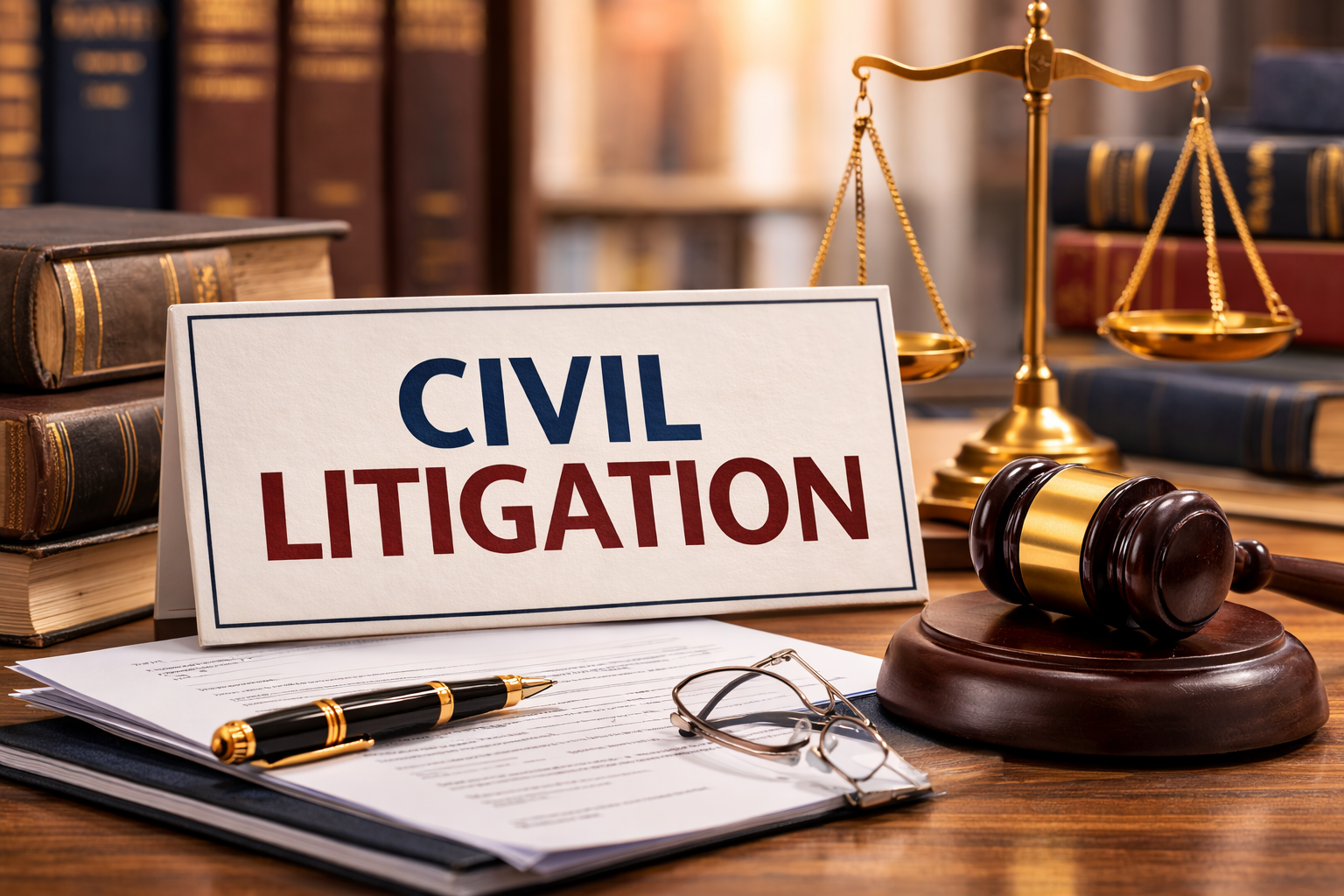
Civil law in India forms the backbone of legal governance for non-criminal disputes, covering areas such as property, contracts, family obligations, torts, and personal rights. Unlike criminal law, civil law primarily deals with compensation, enforcement of rights, and resolution of disputes between private parties. Understanding civil law is crucial for individuals, businesses, and organizations to protect their interests and ensure fair resolution of conflicts.
What is Civil Law?
Civil law governs non-criminal legal disputes and provides remedies for violations of private rights. It deals with matters where the primary objective is compensation or enforcement, rather than punishment. Civil law ensures individuals and entities can seek justice in cases of property disputes, breach of contract, negligence, or personal rights violations.
Key Objectives of Civil Law
- Protect Private Rights: Safeguard property, contractual, and personal rights
- Resolve Disputes: Provide a legal framework for amicable or judicial resolution
- Compensate for Harm: Provide remedies such as damages or restitution
- Enforce Contracts and Obligations: Ensure compliance with agreements and legal duties
Major Areas of Civil Law in India
1. Property Law
Property law regulates ownership, transfer, and disputes related to immovable and movable property. Key aspects include:
- Property Ownership Rights: Defined under the Transfer of Property Act, 1882
- Property Disputes: Resolved through civil courts or tribunals
- Inheritance and Succession: Governed by Hindu Succession Act, 1956, Indian Succession Act, 1925, and personal laws
- Real Estate Disputes: Include property sales, registration issues, and land acquisition
2. Contract Law
Contract law ensures that agreements between parties are enforceable under the law. Key points:
- Governed by the Indian Contract Act, 1872
- Includes formation of contracts, breach, remedies, and enforcement
- Remedies for breach include specific performance, damages, or rescission
- Covers both business contracts and personal agreements
3. Family and Personal Obligations
Civil law addresses family obligations outside criminal offenses:
- Maintenance Claims: Under Section 125 CrPC or personal laws
- Guardianship and Custody: Governed by the Guardians and Wards Act, 1890
- Inheritance and Wills: Civil courts handle disputes over property succession and testamentary documents
4. Tort Law
Tort law provides remedies for civil wrongs causing injury or harm. Examples include:
- Negligence: Compensation for accidents or medical malpractice
- Defamation: Civil remedies for reputational harm
- Nuisance: Legal relief for interference with property or personal rights
- Strict Liability: For hazardous activities or industrial accidents
5. Consumer Protection
- Governed by the Consumer Protection Act, 2019
- Protects consumers against defective goods, deficient services, and unfair trade practices
- Disputes can be filed with consumer courts or tribunals
Civil Court Structure in India
Civil disputes are adjudicated in a hierarchy of courts, depending on the claim amount and complexity:
- District Courts: Handle civil disputes, property cases, and family matters
- High Courts: Appellate jurisdiction over district court judgments
- Supreme Court of India: Final appellate authority for civil disputes with significant legal importance
- Special Tribunals: For labor, consumer, tax, or commercial disputes
Civil Procedure in India
Civil law disputes follow the Civil Procedure Code (CPC), 1908, which outlines the step-by-step process:
Step 1: Filing a Civil Suit
- Plaintiff files a plaint in the appropriate civil court
- Includes cause of action, parties involved, relief sought, and evidence
Step 2: Notice to Defendant
- Court issues notice to the defendant to appear and respond
- Defendant can submit written statements, counterclaims, or objections
Step 3: Interim Orders
- Courts may grant temporary injunctions or orders to prevent harm or secure property
- Ensures that parties do not act in ways that undermine justice during proceedings
Step 4: Evidence and Examination
- Parties present documents, witness testimony, and expert reports
- Courts evaluate admissibility of evidence according to legal standards
Step 5: Arguments and Judgment
- Lawyers present final arguments summarizing evidence and legal positions
- Court delivers judgment, awarding damages, injunctions, or specific performance
Step 6: Appeals and Execution
- Aggrieved parties can appeal to higher courts
- Court orders are enforced via execution proceedings, including attachment of property, fines, or compensation payment
Remedies in Civil Law
Civil law offers several remedies depending on the dispute type:
- Compensation/Damages: Financial reparation for loss or injury
- Specific Performance: Court orders fulfilling contractual obligations
- Injunction: Preventing a party from acting in a way that causes harm
- Declaratory Relief: Court declaration of rights or obligations
- Restitution: Restoration of property or financial assets to the rightful party
Alternative Dispute Resolution (ADR)
To reduce court backlog and expedite resolution, ADR mechanisms are encouraged:
- Mediation: Neutral third-party helps parties reach a mutually acceptable settlement
- Arbitration: Binding decision by an arbitrator agreed upon by the parties
- Conciliation: Court-appointed conciliators assist in negotiation
- Lok Adalats: Informal judicial bodies resolving disputes quickly
ADR methods are cost-effective, faster, and maintain confidentiality compared to traditional litigation.
Importance of Civil Law Awareness
Understanding civil law is crucial for:
- Protecting personal and property rights
- Resolving disputes efficiently and fairly
- Preventing legal violations and financial loss
- Accessing remedies for contract breaches, negligence, or family disputes
- Navigating complex court procedures with informed decisions
Legal literacy empowers citizens to assert their rights, reduce conflicts, and seek justice effectively.
Conclusion
Civil law in India is a comprehensive framework addressing disputes related to property, contracts, family obligations, torts, and personal rights. By understanding the legal procedures, court processes, and available remedies, individuals and businesses can protect their interests and ensure justice. Awareness of civil law, along with professional legal guidance, helps citizens navigate disputes efficiently, safeguard their rights, and maintain legal compliance in all civil matters.