
Supreme Court Women’s Safety Updates: Latest Legal Developments
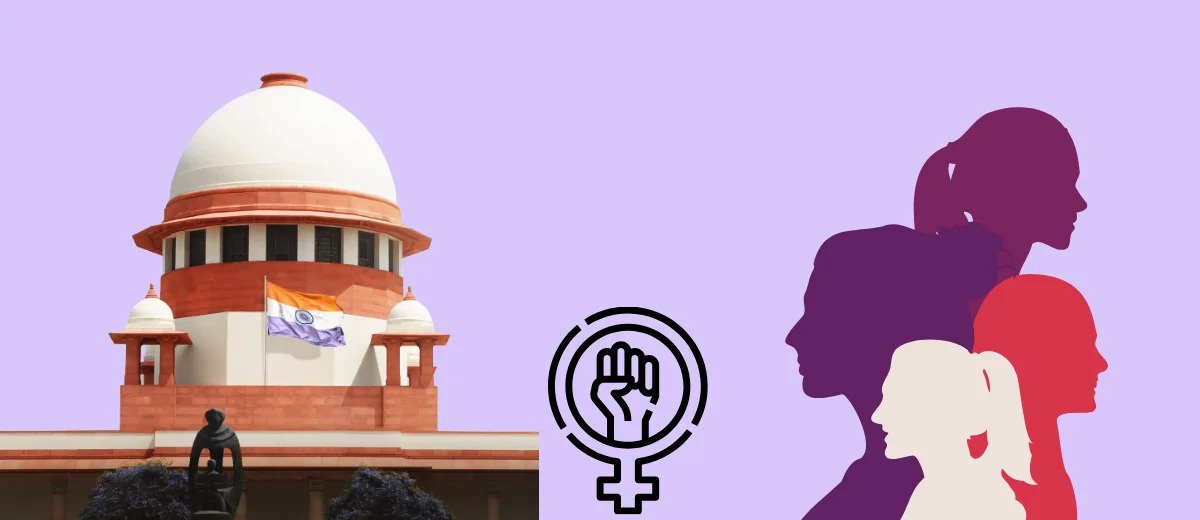
Women’s safety is an important issue in India. The Supreme Court of India plays a significant role in protecting constitutional rights, interpreting laws, and ensuring that legal safeguards for women are implemented effectively.
Women have the right to live with dignity, access education, work safely, and participate in public life without fear of violence or harassment. Strong laws, effective policing, and timely justice are essential to protecting these rights.
This article explains the Supreme Court’s role in women’s safety, important laws protecting women, legal remedies, and ways to follow the latest judicial developments in India.
Role of the Supreme Court in Women’s Safety
The Supreme Court of India is the country’s highest judicial authority. It interprets the Constitution, examines legal questions, and hears appeals and other matters within its jurisdiction.
In cases involving women’s safety, the Court may examine whether fundamental rights have been protected, whether legal procedures have been followed, and whether public authorities have fulfilled their legal responsibilities.
Its judgments can clarify the meaning of laws and establish legal principles that lower courts must follow.
The Court’s role is not limited to individual criminal cases. Its decisions can also influence broader questions involving workplace safety, domestic violence, gender equality, and the protection of children.
Important Constitutional Rights for Women
Article 14: Right to Equality
Article 14 guarantees equality before the law and equal protection of the laws. It is an important constitutional safeguard against unlawful discrimination.
Article 15: Protection Against Discrimination
Article 15 prohibits certain forms of discrimination, including discrimination on grounds of sex. It also permits special provisions for women and children.
Article 21: Right to Life and Personal Liberty
Article 21 protects life and personal liberty. The Supreme Court has interpreted this provision to include the right to live with dignity.
These constitutional protections provide an important foundation for legal arguments involving women’s security, dignity, and equal participation in society.
Important Laws for Women’s Safety in India
Several laws address violence, harassment, and discrimination against women.
1. Bharatiya Nyaya Sanhita, 2023
The Bharatiya Nyaya Sanhita contains criminal provisions relating to offences against women, including rape, sexual harassment, stalking, voyeurism, and other specified offences.
The applicable provision and punishment depend on the facts and circumstances of the case.
2. Protection of Women from Domestic Violence Act, 2005
This legislation provides legal remedies for women experiencing domestic violence. Depending on the circumstances, a court may grant protection orders, residence orders, monetary relief, or other remedies available under the Act.
3. Sexual Harassment of Women at Workplace Act, 2013
This law establishes a framework for preventing and addressing sexual harassment at workplaces. It provides for complaint mechanisms and responsibilities for employers as prescribed by law.
4. Dowry Prohibition Act, 1961
The Dowry Prohibition Act prohibits the giving and taking of dowry, subject to the legal provisions and definitions contained in the Act.
These laws work alongside constitutional protections and other applicable legislation to provide legal remedies in different situations.
Women’s Safety in Public Places
Safety in public places is essential for women who travel for work, education, healthcare, and everyday activities.
Police patrolling, functioning streetlights, effective emergency services, and appropriate surveillance can contribute to safer public spaces. Public transport operators and relevant authorities also have responsibilities under applicable laws and regulations.
When safety concerns arise, authorities should investigate complaints according to law and take appropriate action.
Improving women’s safety requires cooperation between police departments, transport authorities, local administrations, educational institutions, employers, and communities.
Workplace Safety and Women’s Legal Rights
Every woman should be able to work in an environment that respects her dignity and is free from unlawful sexual harassment.
Under the Sexual Harassment of Women at Workplace Act, 2013, eligible workplaces must follow the prescribed complaint-handling framework.
Depending on the workplace and circumstances, a complaint may be made to the Internal Committee or the Local Committee established under the law.
Employers must comply with applicable legal obligations, including requirements relating to prevention, complaint procedures, and awareness.
Women should keep relevant records where safe and appropriate and seek qualified legal guidance if they are uncertain about the available remedies.
Domestic Violence and Legal Protection
Domestic violence can involve physical, sexual, verbal, emotional, or economic abuse, as recognised under the applicable law.
The Protection of Women from Domestic Violence Act, 2005, provides a framework for seeking protection and other relief through the appropriate legal process.
A woman experiencing domestic violence may contact the police, a Protection Officer, a legal aid service, or another appropriate support organisation.
In an emergency, immediate safety should be the priority. In India, emergency assistance is available through 112.
How Women Can Seek Legal Assistance
Women facing violence, threats, harassment, or discrimination can consider the following steps:
- Contact emergency services if there is an immediate risk to safety.
- Report the incident to the appropriate authority or police, where applicable.
- Preserve relevant messages, documents, photographs, or other evidence when it is safe to do so.
- Consult a qualified lawyer about available legal remedies and deadlines.
- Contact the relevant State or District Legal Services Authority to ask about free legal aid eligibility.
- Follow the prescribed complaint or court procedure for the relevant matter.
The appropriate legal route depends on the nature of the incident. No one should put themselves at further risk to collect evidence or confront an alleged offender.
How to Follow the Latest Supreme Court Women’s Safety Updates
Readers can follow official judicial developments by checking:
- Recent Supreme Court judgments and orders
- Official court notices and case-related updates
- Judgments concerning women’s constitutional and statutory rights
- Relevant government notifications and legislation
- Reliable legal reporting that identifies the case and date of the order
When reading a news report, distinguish between a petition being filed, a court hearing, an interim direction, and a final judgment. These are different stages of legal proceedings.
Always verify important claims against the official order or judgment before publishing or relying on them.
Why Women’s Safety Requires Continued Attention
Legal protection is essential, but effective implementation is equally important.
Women’s safety requires accessible complaint mechanisms, appropriate investigations, timely judicial processes, public awareness, and accountability under the law.
Educational institutions and workplaces should follow applicable safety requirements. Public authorities should respond to complaints appropriately, while communities can support prevention by challenging harassment and respecting women’s rights.
A safer society depends on both effective legal institutions and respect for individual dignity.
Conclusion
Supreme Court women’s safety updates are important for understanding how Indian law protects women’s dignity, equality, and personal security.
Constitutional safeguards, criminal laws, domestic violence protections, and workplace harassment legislation provide different forms of legal protection. However, their effectiveness depends on proper implementation, timely action, and public awareness.
Following official Supreme Court judgments and understanding the relevant laws can help readers stay informed about women’s rights and available legal remedies in India.
Frequently Asked Questions
1. What is the Supreme Court’s role in women’s safety?
The Supreme Court interprets constitutional protections and laws, hears matters within its jurisdiction, and issues judgments that can clarify legal rights and responsibilities.
2. Which constitutional articles are important for women’s rights?
Articles 14, 15, and 21 are particularly relevant to equality, protection against certain forms of discrimination, life, personal liberty, and dignity.
3. Which law addresses domestic violence in India?
The Protection of Women from Domestic Violence Act, 2005, provides legal remedies for women experiencing domestic violence.
4. Which law addresses sexual harassment at workplaces?
The Sexual Harassment of Women at Workplace (Prevention, Prohibition and Redressal) Act, 2013, establishes the relevant legal framework.
5. How can a woman seek free legal assistance?
She can contact the relevant State or District Legal Services Authority to check eligibility and learn about available legal aid.
6. Where can I find the latest Supreme Court judgments?
Check the official Supreme Court of India website for published judgments, orders, and court notices.
7. What should someone do in an emergency?
Move to a safer location if possible and contact emergency services. In India, the emergency number is 112.