
Supreme Court to Examine Marital Rape Exception Under IPC and BNS: What the Case Could Mean for Consent and Marital Rights
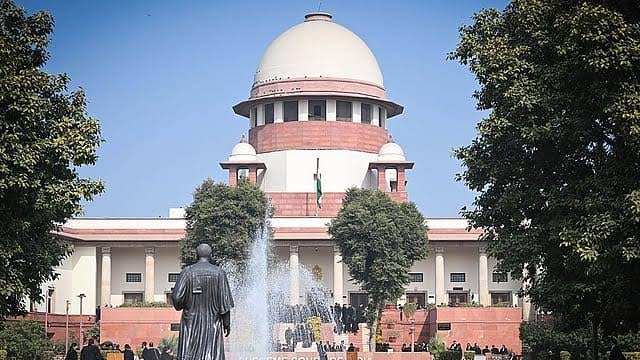
The Supreme Court of India is examining an important constitutional question concerning the marital rape exception under Indian criminal law. The issue is whether a husband should continue to receive an exemption from a rape prosecution when his adult wife alleges that sexual intercourse took place without her consent.
The case has brought renewed attention to consent within marriage, women’s bodily autonomy, constitutional equality and the relationship between judicial interpretation and legislative authority. It also raises questions about how the law should address allegations of non-consensual sexual intercourse within an existing marital relationship.
In September 2026, the Supreme Court considered petitions challenging the marital rape exception under both the Indian Penal Code, 1860 (IPC) and the Bharatiya Nyaya Sanhita, 2023 (BNS). The proceedings are significant because the Court must examine the legal effect of the exception alongside the constitutional arguments raised by the parties.
However, the distinction between a hearing and a final judgment is essential. The constitutional validity of the exception remains a matter for judicial determination, and the ongoing proceedings should not be interpreted as a final ruling that marital rape has been criminalised under a separate offence.
1. What Is the Marital Rape Exception?
Marital rape generally refers to sexual intercourse or sexual acts imposed on a spouse without consent. The legal treatment of such conduct varies across jurisdictions. In India, the issue has attracted considerable constitutional and legislative debate because criminal law contains a specific exception relating to sexual intercourse between a man and his adult wife.
Under Section 375 of the Indian Penal Code, 1860, Exception 2 excluded certain sexual intercourse or sexual acts by a man with his own wife, where the wife was not under eighteen years of age, from the definition of rape.
The IPC was replaced by the Bharatiya Nyaya Sanhita, 2023, which came into force on 1 July 2024. Section 63 of the BNS contains the corresponding marital exception.
The constitutional challenge questions whether this distinction can lawfully continue when the alleged conduct involves an absence of consent. Petitioners have raised concerns about equality, dignity, personal liberty and bodily autonomy.
The debate is not limited to the meaning of a statutory provision. It also concerns whether marriage should affect the criminal law’s treatment of non-consensual sexual conduct and how the Constitution protects individual rights within private relationships.
2. Why Is the Supreme Court Examining the Issue?
The Supreme Court proceedings arise from multiple petitions challenging the marital rape exception and related questions about prosecution under existing criminal law.
One important background development was the split verdict delivered by the Delhi High Court in May 2022. The judges expressed differing views on the constitutional validity of the exception under the IPC. The disagreement left the broader legal issue unresolved and contributed to the matter reaching the Supreme Court.
Another connected matter arose from a Karnataka High Court decision that permitted the prosecution of a husband in a case involving allegations of non-consensual sexual intercourse with his wife. The case raised questions about whether such a prosecution could proceed while the statutory exception remained in force.
These proceedings bring two related but distinct questions before the Supreme Court.
First, can a prosecution for rape be sustained under the applicable law when the marital exception remains in force?
Second, is the marital rape exception itself constitutionally valid?
The answers may depend on statutory interpretation, constitutional principles, the legal framework applicable to the alleged conduct and the arguments advanced in the connected cases.
3. What Happened During the September 2026 Proceedings?
In September 2026, a three-judge Bench led by Chief Justice of India Surya Kant, with Justices Joymalya Bagchi and V. Mohana, considered the connected matters.
During the proceedings, the Bench raised questions about how a prosecution for rape could be sustained while the statutory marital exception remained applicable. The discussion highlighted the legal difficulty of determining criminal liability without first addressing the effect and validity of the relevant statutory provision.
The Court also considered the relationship between individual autonomy within marriage and the legal consequences of the existing exception.
The proceedings were important because they brought the statutory and constitutional questions into focus. However, oral observations made during a hearing are not, by themselves, a final judicial ruling. The binding legal position must be determined from the Court’s formal orders and final judgment.
The September proceedings also involved procedural directions to prepare the connected matters for final hearing. The reported listing information indicated that the matters were posted for final hearing on 18 November 2026. As that date approaches, the latest official case status and cause list should be checked before reporting any further development.
Readers should therefore distinguish between the Court’s questions during arguments, procedural directions and any eventual determination of the constitutional issues.
4. What Constitutional Rights Are Involved?
The challenge to the marital rape exception raises questions concerning several constitutional protections.
Article 14: Equality Before the Law
Article 14 guarantees equality before the law and equal protection of the laws. The challenge raises the question of whether the distinction between married and unmarried women in the context of non-consensual sexual intercourse is constitutionally justified.
The legal analysis may involve the classification created by the exception, the purpose of the provision and whether the distinction satisfies the applicable constitutional standards.
The final determination will depend on the Court’s assessment of the statutory framework and the arguments presented before it.
Article 21: Life, Liberty and Dignity
Article 21 protects life and personal liberty, subject to the constitutional requirements governing deprivation of those rights.
The petitioners’ arguments place particular emphasis on bodily autonomy, dignity and personal choice. They contend that marriage should not automatically remove a person’s interest in deciding whether to participate in sexual activity.
The case therefore raises a broader question about how constitutional protections apply within marriage and how individual liberty should be understood in the context of intimate relationships.
Article 15: Prohibition of Discrimination
Article 15 prohibits discrimination on specified grounds, including sex, subject to the constitutional framework and applicable provisions.
Arguments concerning the marital rape exception may involve questions about gender-based distinctions and the legal treatment of married women. The relationship between Article 15, Article 14 and the specific criminal-law provision will require careful judicial consideration.
These constitutional provisions form part of the wider legal debate. Their mention does not mean that the Supreme Court has already found the exception unconstitutional.
5. What Is the Significance of the BNS, 2023?
The introduction of the Bharatiya Nyaya Sanhita changed the statutory framework governing many criminal offences in India. However, the marital rape exception was retained in Section 63, making the constitutional challenge relevant under the new law as well.
This is particularly significant because a constitutional ruling concerning the former IPC provision would not automatically answer every question concerning the corresponding provision under the BNS. The precise scope of any ruling will depend on the issues decided, the statutory language considered and the directions issued by the Court.
The proceedings therefore require a careful examination of both statutory frameworks.
They also highlight an important principle of legal research: when a criminal-law provision has been replaced, legal analysis should identify the law applicable to the relevant conduct and the dates involved. The repeal of the IPC does not mean that every case arising under the former law should automatically be analysed only under the BNS.
For lawyers, researchers and individuals following the case, this distinction is essential to understanding the potential legal consequences of the proceedings.
6. Arguments Supporting the Challenge
Those challenging the exception have raised concerns about consent, equality and bodily autonomy.
One central argument is that marriage should not be treated as continuing consent to sexual intercourse. Consent is connected to the individual’s choice in a particular situation, and the petitioners question whether marital status should create a categorical distinction in criminal law.
Another argument concerns the constitutional protection of women within marriage. The challenge asks whether excluding certain non-consensual acts from the definition of rape creates an unjustified difference in legal protection.
The petitioners’ position also raises questions about dignity and personal liberty. From this perspective, the existence of a marital relationship should not automatically settle whether sexual conduct was consensual.
These are arguments advanced in the broader legal challenge. Their acceptance or rejection remains for the Court to determine in accordance with the Constitution and applicable law.
7. Arguments Concerning Legislative Authority and the Existing Law
The issue also involves questions about the respective roles of Parliament and the judiciary.
Criminal offences and punishments are governed by legislation. Any judicial examination of a criminal-law exception must consider the statutory wording, constitutional limitations and the principles governing judicial interpretation.
The debate includes concerns about how the law should balance individual rights, the institution of marriage, criminal liability and legislative policy. The Court must consider the legal arguments before it rather than treating a complex social issue as resolved by oral observations alone.
The question of criminal liability is particularly important because criminal law requires a clear legal basis for prosecution and punishment. Courts must apply the law in force and determine whether the relevant provision can constitutionally operate in the circumstances before them.
The Supreme Court’s eventual ruling may clarify these issues, but its precise effect cannot be predicted before the judgment is delivered.
8. What Could the Case Mean for Women’s Rights?
The proceedings have broader implications for discussions about consent, safety and access to legal remedies within marriage.
If the Court ultimately invalidates or narrows the exception, the legal consequences would depend on the exact terms of its judgment, the scope of the ruling and any directions concerning implementation. Such a decision could alter how the relevant criminal-law provisions are interpreted and applied.
If the exception is upheld, questions about the legal protection available in cases involving non-consensual sexual conduct within marriage would continue to be shaped by the existing statutory framework and other applicable laws.
In either situation, the ruling may influence legal discussions about equality, privacy, dignity and the relationship between marriage and individual rights.
It is important, however, not to assume that the pending case has already changed the law. Until a binding decision is delivered, the applicable statutory provisions and existing judicial directions must be read together.
People facing sexual violence or coercion should seek appropriate legal assistance and support rather than relying solely on general commentary about a pending constitutional challenge.
9. What Should Lawyers and Legal Researchers Watch Next?
The next stage of the proceedings requires attention to several legal questions.
First, the Court’s treatment of the constitutional challenge will be important in determining whether the statutory distinction can continue.
Second, the relationship between the IPC exception and the corresponding BNS provision will require close analysis. The legal consequences may differ according to the applicable statute and the specific issues decided.
Third, the Court’s reasoning on consent, bodily autonomy, equality and legislative authority will be significant. The final judgment may explain how these constitutional principles interact with criminal-law requirements.
Finally, lawyers and researchers should examine the operative directions of the judgment, not merely media summaries or isolated statements made during oral arguments.
The official Supreme Court website provides resources for checking judgments, daily orders, case status and listing information. These records should remain the primary reference when reporting developments in the case.
Conclusion
The Supreme Court’s examination of the marital rape exception under the IPC and BNS raises significant questions about consent within marriage, constitutional equality, personal liberty and the limits of statutory exceptions in criminal law.
The September 2026 proceedings brought these issues into sharper focus by considering the relationship between the existing statutory framework and the constitutional challenge. However, the final legal position depends on the Court’s eventual judgment and any directions it issues.
For lawyers, legal researchers and members of the public, the most reliable approach is to follow the official court record and distinguish carefully between arguments, oral observations, interim directions and a final decision.
As the proceedings continue, the case remains an important development in India’s ongoing legal debate about marital rights, individual autonomy and constitutional protection.
Frequently Asked Questions
1. Has the Supreme Court criminalised marital rape in India?
No final ruling on the constitutional challenge should be assumed from the September 2026 hearings. The challenge concerns the validity and interpretation of the marital rape exception under the IPC and BNS.
2. Which provisions are being challenged?
The proceedings concern Exception 2 to Section 375 of the Indian Penal Code, 1860, and the corresponding Exception 2 to Section 63 of the Bharatiya Nyaya Sanhita, 2023.
3. Why is Article 21 relevant to the case?
Article 21 protects life and personal liberty. The challenge raises questions about dignity and bodily autonomy within marriage, among other constitutional issues.
4. What was the significance of the Delhi High Court’s 2022 decision?
The Delhi High Court delivered a split verdict on the constitutional validity of the marital rape exception under the IPC. The differing opinions contributed to the issue reaching the Supreme Court.
5. When is the Supreme Court expected to hear the matter?
The reported listing information indicated a final hearing date of 18 November 2026. Readers should verify the latest official cause list and case status because listings can change.